Templa — Mobility as Flow
From the Tendai monks of Mount Hiei to the pilgrims of the Camino, walking has been one of humanity's oldest technologies for thinking.
- Year
- 2026
- Section
- Concept
- Keywords
- speculative design · eeg beads · walking · embodied ai
- Role
- Project Lead, Object Design Lead
- Team
- Sky ChengIsaiah SolisNicholas WanCollin HoAnn-Marie Henderson

A medium-sized artifact that sits by your bed or on the entryway table. Place the bracelet below the sphere to charge and it triggers an elevation animation — appearing to float up into the sphere. Synchronising data becomes a weightless, ritual act.
Templa is a pair of EEG meditation beads — an ancient artifact reimagined — that turns the quiet of a walk into something you can keep.
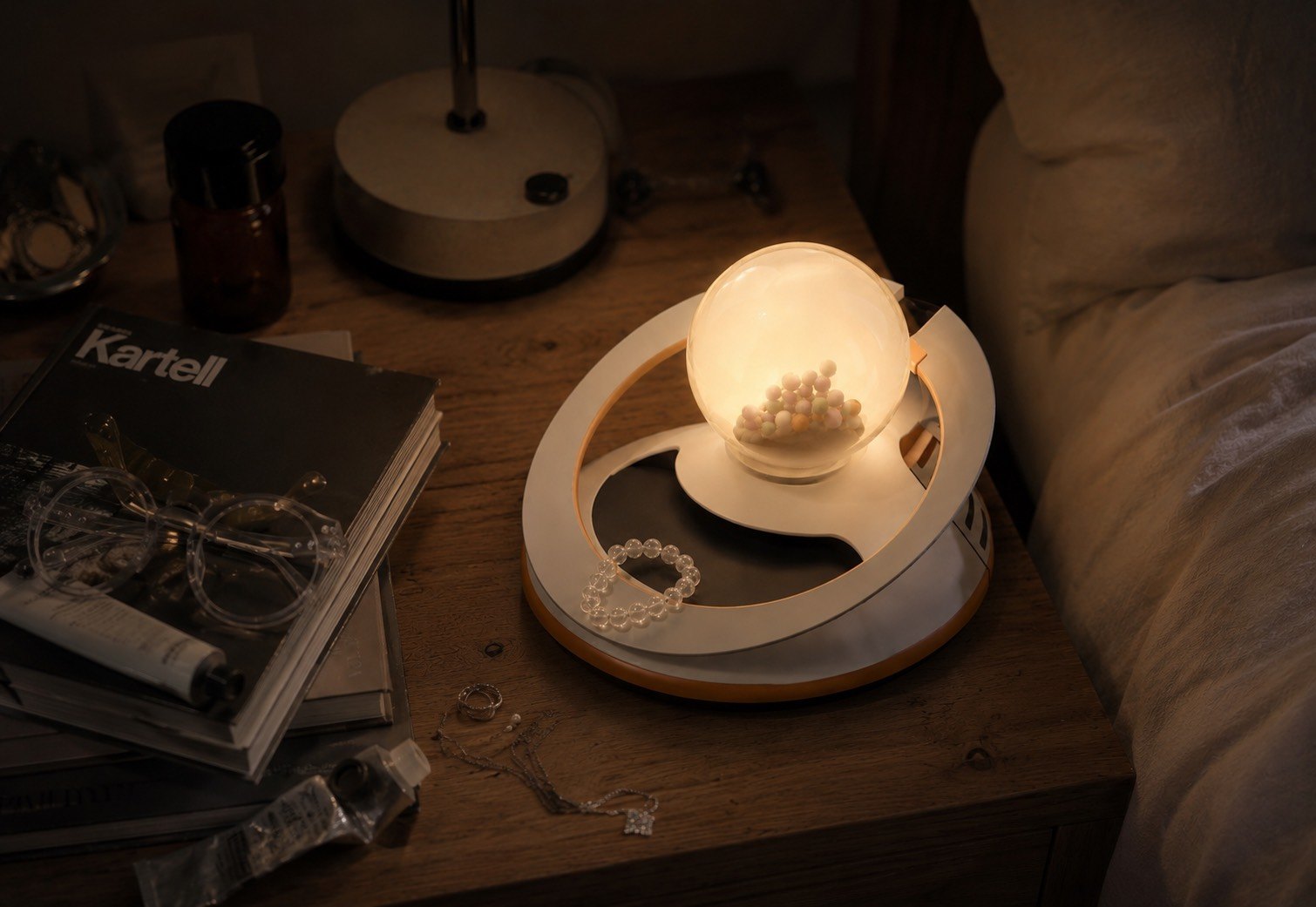
No physical screens anywhere. Every setting and every reading is reached through the holographic interface projected from the central sphere. The charging area borrows the form of a domestic key tray, so several bracelets stack and store the way keys already do.

A pressure sensor reads how firmly you hold the beads. An IMU reads how fast or slow you fidget with them. An ECG picks up your heartbeat. Interactive data — a diary of the walk, written by your hands.
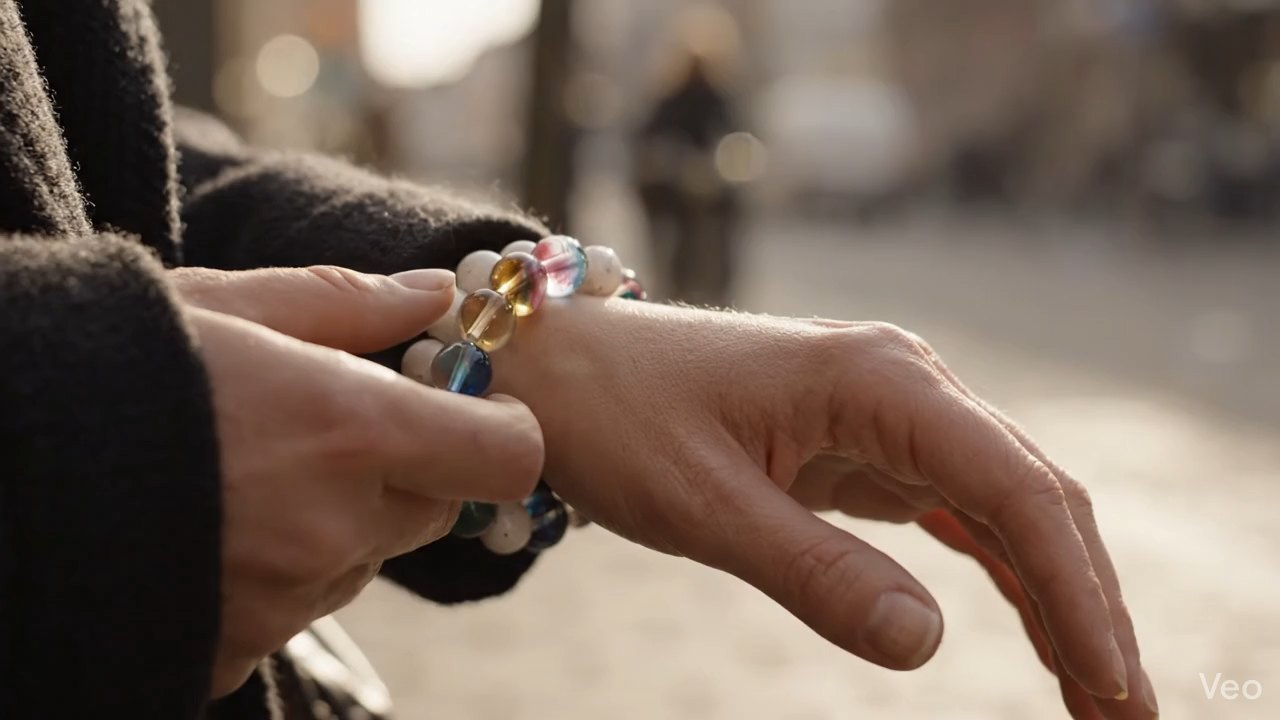
Prayer beads, worry stones, komboloi, mala. Embodied cognition — the body shapes how we think. Repetitive hand movements quiet the mind's surface noise and free the deeper layer to wander. What if this ancient artifact became high tech?
Two stones. One cord. Lift it to the temple and Templa listens to your walk. Drop it to the chest and Templa becomes an amulet you carry.
Changing the pattern
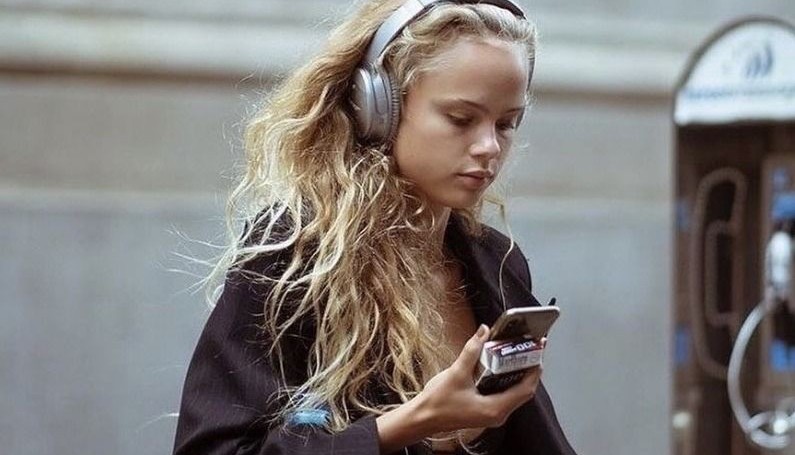
Phone in hand. Headphones sealing the world out. We walk through the city without seeing it. Our accessories help us escape the walk.
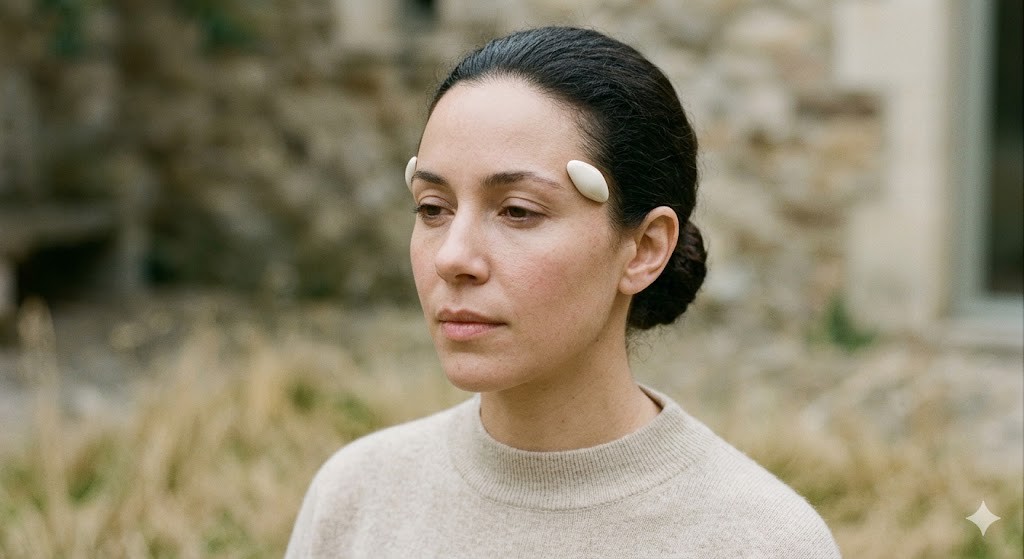
Hands free. Eyes ahead. The walk becomes the practice again. Templa's accessories help us return to the walk.
Today's tech wants your attention. Templa wants to give it back.
Who is it for?
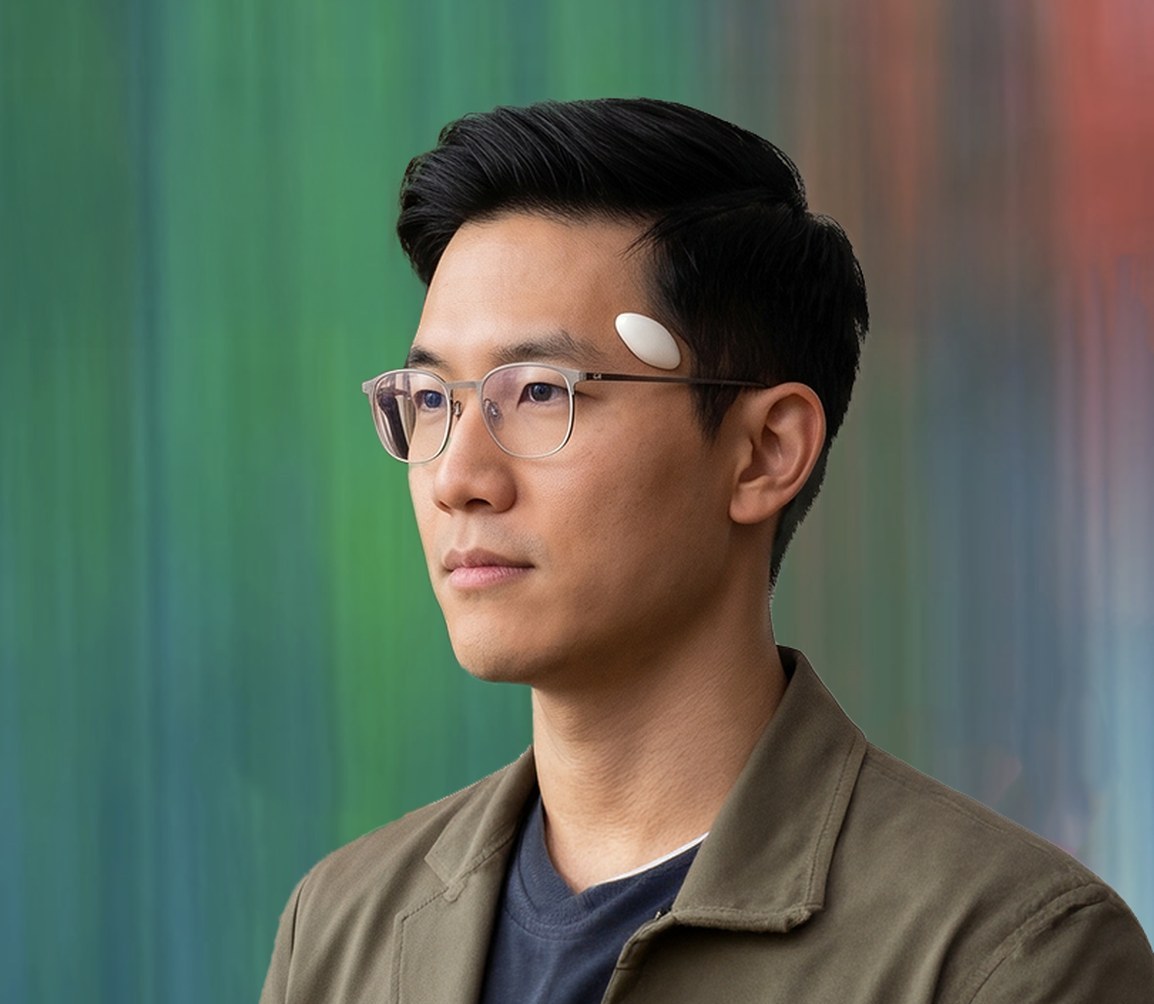
Julian Chen
Lead Creative Designer
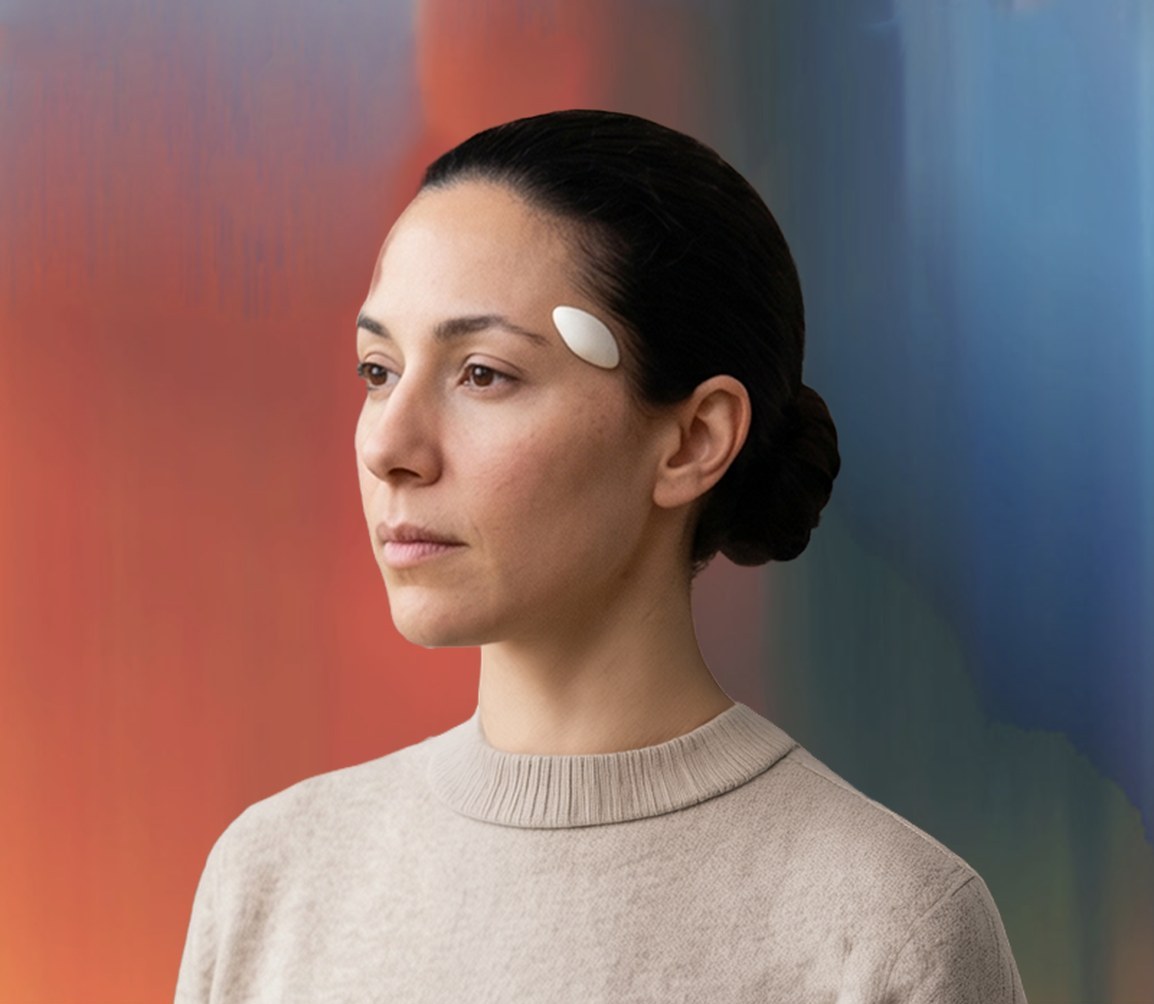
Sarah Jenkins
Active CBT Patient

Thorne Family
Husband, Wife, Son, and Daughter
Using AI as a processor
Understanding your brain
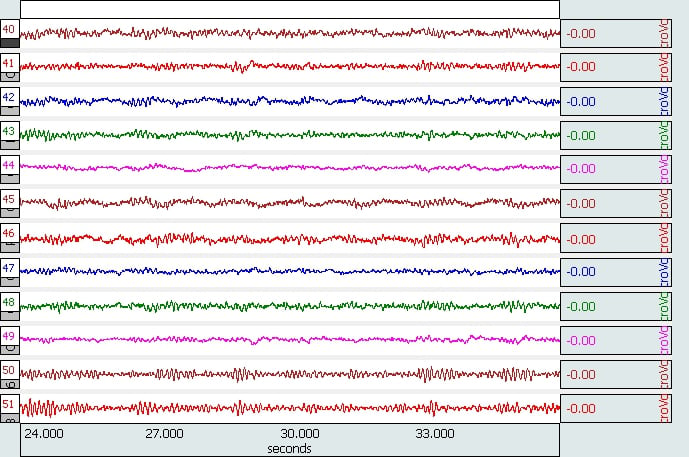
Raw EEG signals are messy.
Muscle movement, blinking, heartbeats, even nearby electronics distort the data. Traditional EEG requires perfect conditions to extract anything meaningful. That is why we only see it in labs and hospitals.
Each year the gap closes.
Deep learning models trained on millions of brain signals can now reconstruct meaningful patterns from fewer electrodes. Meta (2023) decoded images from non-invasive MEG. Nature Communications (2025) decoded individual words from EEG.
Flow of the system
EEG
Placed on the temple.
EEG
Brainwave
Collects the raw data.
Brain
Processor
AI finds the meaningful patterns inside the noise.
AI
Convert to words
The refined data feeds a language model that generates words.
Words
Convert to image
When the data leans toward images, the system generates images too.
Image
What AI could do in the future
2026→“Language models”
Models learn from human-created content and input.
2036→“Multimodal models”
Models process multiple types of data at once for deeper context.
2046→“Personal neural models”
Models train on personal brain data to recognize and translate each person's brain patterns.
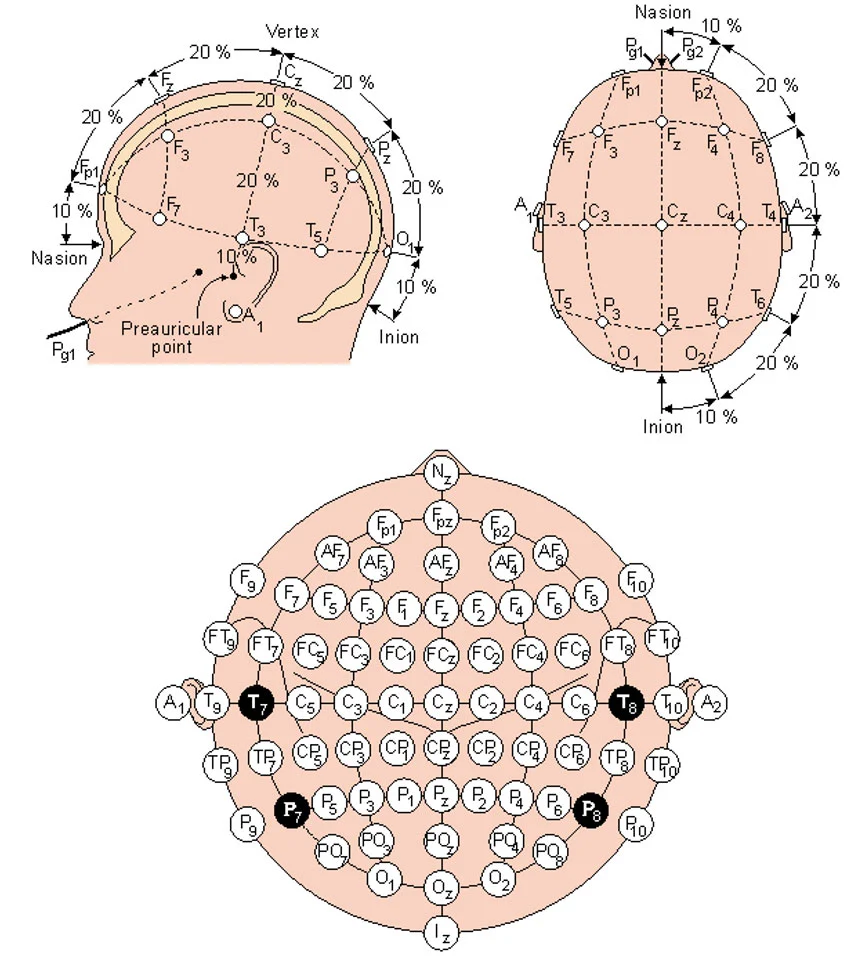
The AI doesn't read your thoughts. It learns to recognize them — the way an old friend recognizes the look on your face before you've spoken.
Mobility is flow
We want to build tech that makes us free, not tech that traps us deeper in the digital world. Connecting you to the world, to the body, to your own mind. Every step you take means something.